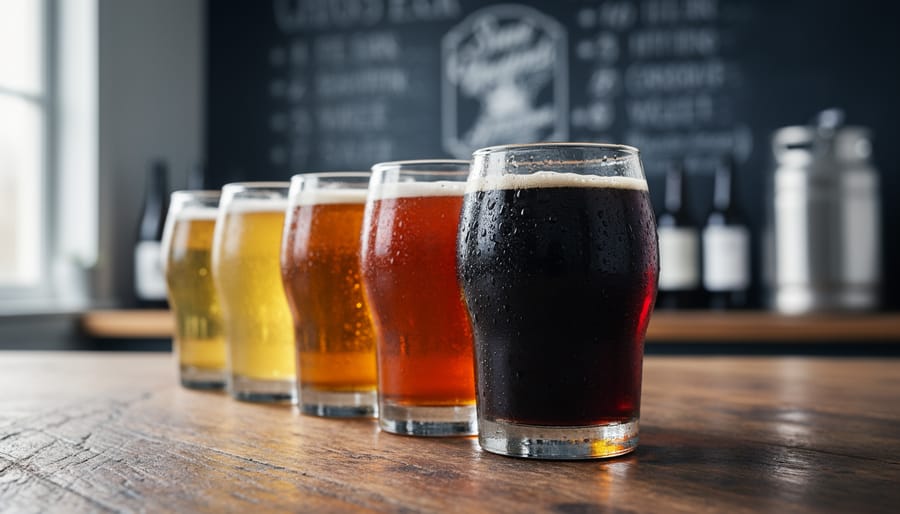
The right glassware transforms beer tasting from casual drinking into a deliberate exploration of flavor, aroma, and color. For Canadian homebrewers, 8oz beer glasses hit the sweet spot: they’re large enough to properly evaluate your brews but small enough to sample multiple batches without overwhelming your palate. These compact vessels let you run proper tasting flights, compare recipe iterations side-by-side, and share your creations with friends without committing anyone to a full pint of an experimental stout.
Whether you’re evaluating hop profiles in your latest IPA or tracking fermentation progress across brew days, proper glassware matters more than many beginners realize. If you picked up a few first batch tips and discovered you love recipe tweaking, investing in dedicated tasting glasses is a natural next step. The 8oz format respects both your brewing ambition and your sobriety when you’re deep into sensory analysis.
The Canadian craft beer community has long embraced smaller servings for exploration. Walk into any respected brewery taproom from Victoria to Halifax and you’ll find flight boards stocked with tasting glasses in this exact size range. For homebrewers, owning a set brings that professional approach into your kitchen or basement brewery. You’re not just pouring beer; you’re conducting research, refining recipes, and building the sensory library that separates good brewers from great ones.
Why 8oz Beer Glasses Deserve a Spot in Your Homebrewing Setup
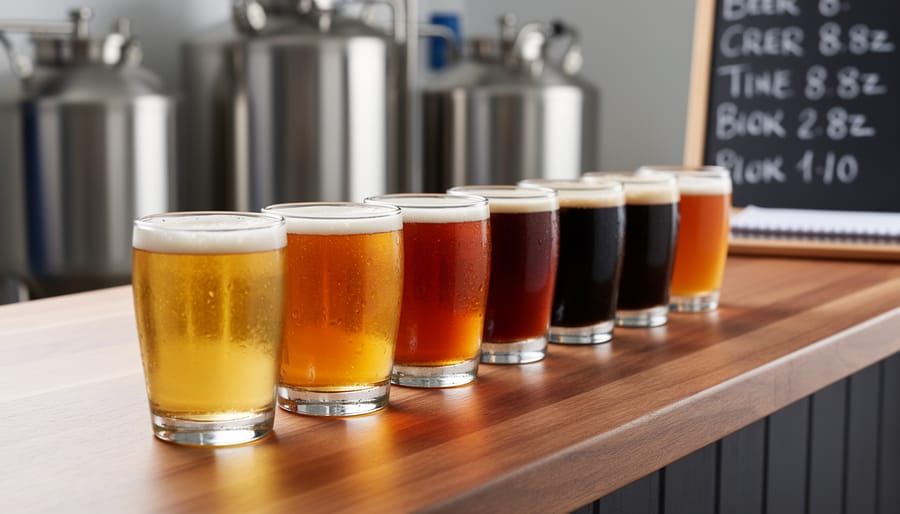
When you’re brewing your own beer at home, there’s a special thrill in that moment when you crack open a new batch. But here’s the thing: you don’t want to pour yourself a full pint of something you haven’t tasted yet. What if you over-hopped it? What if that experimental adjunct didn’t work out? This is where 8oz beer glasses become genuinely useful.
The 8oz format lets you taste without commitment. You can sample three or four different batches in an evening without overdoing it or pouring perfectly good beer down the drain. For Canadian homebrewers who often brew smaller batches or experiment with styles outside the mainstream lager tradition, these glasses turn testing into a proper ritual rather than a guilty chore.
They’re also ideal when you’re hosting friends for a tasting session. Instead of serving everyone a full glass of one beer, you can create flights that showcase your brewing progression or let guests compare your pale ale against your IPA. It’s how many craft breweries present their offerings, and it works just as well in your basement or garage. The smaller pour encourages conversation and comparison rather than passive drinking.
Portion control matters more than we sometimes admit. An 8oz glass lets you enjoy the flavor and experience of a beer without the heaviness of a full serving. This is especially relevant for higher-gravity styles like barleywines or imperial stouts, where a smaller pour is actually more appropriate to the beer’s intensity.
There’s also a practical waste-reduction angle. When you’re dialing in a recipe or trying a new technique, you might brew a batch that doesn’t quite hit the mark. Smaller glasses mean you and your fellow brewers can taste it thoroughly without feeling obligated to finish large servings of something that’s merely okay. In the collaborative, feedback-driven culture of Canadian homebrewing clubs and share sessions, 8oz glasses facilitate honest evaluation without waste.
What to Look for When Shopping for 8oz Beer Glasses
Material Matters: Glass Types and Durability
The material your 8oz glasses are made from affects everything from how accurately you can assess your beer’s appearance to how long the glasses last through countless brew tastings. Most beer glasses fall into two categories: standard soda-lime glass and borosilicate glass, each with distinct advantages for homebrewers.
Soda-lime glass is what you’ll find in most traditional beer glasses. It’s affordable, widely available, and offers excellent clarity for evaluating your brew’s color and head formation. The crystal-clear quality matters more than you might think when you’re checking whether that amber ale hit the right hue or if your lager is brilliantly transparent. For casual tasting sessions, soda-lime glass performs admirably.
Borosilicate glass, however, brings technical advantages that serious homebrewers appreciate. This material resists thermal shock far better than standard glass, meaning you can pour a cold pilsner or a room-temperature stout without worrying about stress cracks over time. If you’re tasting different beer styles at varying temperatures during the same session, borosilicate handles the temperature swings without complaint. It’s also harder and more resistant to chips from the inevitable clink of glasses during group tastings or accidental contact with tap handles.
The clarity difference between quality borosilicate and soda-lime is negligible for beer evaluation purposes, both allow you to examine color, carbonation, and clarity with precision. The real decision comes down to durability and thermal performance. If you taste frequently, serve at different temperatures, or want glasses that survive years of regular use, borosilicate is worth the premium. For occasional samplings or budget-conscious setups, soda-lime glass serves you well as long as you handle it with reasonable care and avoid extreme temperature changes.
Design and Shape: Beyond Just the Capacity
The glass’s geometry plays a surprising role in beer evaluation, even when you’re working with just 8 ounces. A narrow tulip or goblet concentrates aromatics at the nose, letting you pick up subtle hop character or yeast esters that might dissipate in a wider-mouthed glass. Conversely, a straight-sided tumbler minimizes aroma concentration but offers versatility for everyday sipping. The bowl’s curvature also influences head retention, a gentle inward taper helps trap carbonation and foam, while a straight cylinder lets it escape more quickly.
When comparing specific designs, consider how size and shape align with your tasting goals. Goblet styles like the Pumtus vintage option bring an elegant, stemmed profile that keeps hand warmth away from the beer while showcasing decorative embossed details, ideal for special tasting flights or impressing guests. Stemless designs and ribbed tumblers sacrifice that thermal barrier but gain stability and casual approachability, making them practical for frequent sampling sessions. Mini steins with handles offer a middle ground: the handle prevents heat transfer, and the nostalgic form adds character to themed events or German-style lagers.
Beyond aesthetics, evaluate these practical design features before buying:
- Rim thickness, thinner rims feel more refined and don’t interfere with the drinking experience
- Bowl shape, wider for malt-forward styles, narrower for hop-driven beers to trap aroma
- Stem or handle presence, keeps your hand from warming the beer during extended tastings
- Base stability, important when setting glasses down between samples on crowded tasting tables
- Stackability, helps maximize storage space if you’re buying sets of six or eight
- Aesthetic fit, does the style match your serving context, from casual garage brewing to formal flight presentations?
Your choice should reflect the beer styles you brew most often and how you present them. A delicate goblet elevates a Belgian tripel tasting, while a sturdy tumbler suits everyday pale ale evaluation without fuss.
Set Size and Value Considerations
Deciding how many 8oz glasses you need comes down to your typical tasting scenario. Most homebrewers run sampling sessions with four to six different beers, making a 4-pack or 6-pack the sweet spot for solo evaluations or small group flights. If you regularly host tasting events with friends or brewing club members, an 8-pack gives you flexibility without constantly washing glasses mid-session.
Storage space matters more than many brewers anticipate. Eight small glasses take up less cabinet real estate than four pint glasses, but you still need to consider your kitchen reality. Measure your shelf height before buying stemmed or footed styles, which can be taller than you expect.
Value per glass varies widely in the Canadian market. You’ll find 4-pack sets ranging from around $11 per glass for premium borosilicate options to under $5 per glass in larger economy sets. The Pumtus 6-pack vintage goblets and SOUJOY 8-pack steins represent the mid-to-high volume sweet spot, balancing enough glasses for group tastings with reasonable per-unit cost. Galateo’s 4-pack at $44.99 CAD works out to about $11.25 per glass, which reflects the borosilicate construction and durability.
Buy the smallest set that covers your regular needs plus two spares for breakage. You can always add another set later if your hosting frequency increases.
Capacity Precision: Is 8oz Really 8oz?
When you’re shopping for 8oz beer glasses, don’t assume the label tells the whole story. Manufacturers measure capacity to the absolute brim, but you’ll rarely fill a glass that way, especially when you’re pouring beer that needs room for a proper head. A glass marketed as 8oz might hold that amount if filled to overflowing, but your practical pour volume is closer to 6oz once you account for headspace and foam.
The label variance gets even trickier. Some products sold as “small” tasting glasses actually range from 8oz to 12oz, like the SOUJOY stein mugs at 12oz or the Galateo Capri ribbed glasses at 11.8oz. Even genuinely small options like the Pumtus vintage goblets (true 8oz/230ml) still require you to pour conservatively if you want to evaluate aroma and appearance properly. Understanding these beer glass dimensions helps you match the right capacity to your tasting routine, whether you’re sampling experimental batches in small pours or serving flights where consistency matters more than hitting an exact volume.
Everyday Usability: Cleaning, Storage, and Versatility
Borosilicate glasses like the Galateo Capri Collection are typically dishwasher-safe, but check manufacturer guidelines, some decorative or vintage-style pieces benefit from hand-washing to preserve embossed details and extend their lifespan. Ribbed or textured glasses need extra attention around grooves where residue can hide. A bottle brush works well for thorough cleaning without scrubbing away at delicate surfaces.
Storage-wise, 8oz glasses have a smaller footprint than pint glasses, making them easier to fit into cabinets or open shelving. Stackable designs save even more space, though stacking isn’t always safe for stemmed goblets or handled steins. Plan for about half the shelf space you’d need for full-size glassware when building your tasting collection.
Beyond beer, these glasses work beautifully for cocktails, juice, iced coffee, or even desserts like mousse or parfaits. That versatility helps justify the purchase to household members who might not share your homebrewing enthusiasm. If you’re tight on kitchen storage, choosing glasses that pull double duty for everyday drinks and special tasting sessions makes practical sense. Just rinse promptly after sugary or acidic beverages to prevent staining or residue buildup that could affect your next beer sample.
Types of 8oz Beer Glasses: Finding Your Perfect Match
Classic Tasting Glasses and Goblets
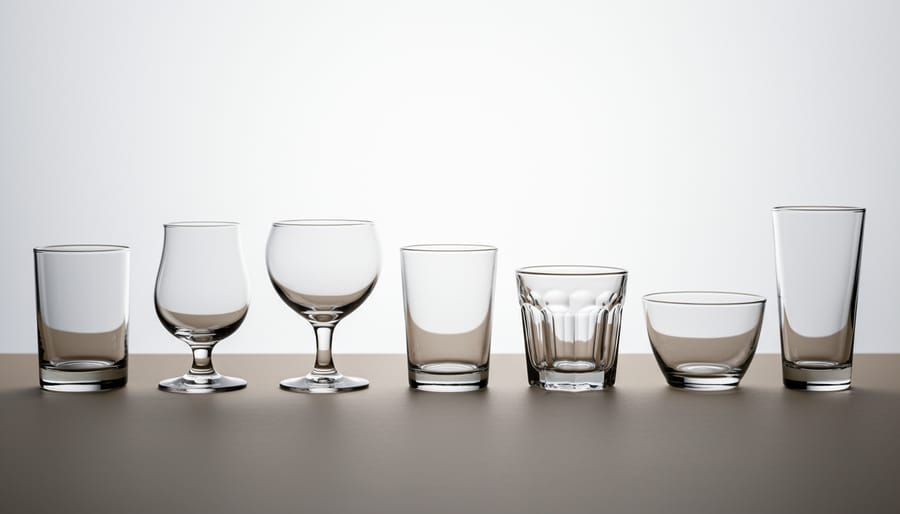
Classic tasting glasses and goblets represent the traditional choice for homebrewers who take their sensory evaluation seriously. These stemmed or footed designs elevate the tasting experience, literally and figuratively, by keeping your hand away from the bowl, preventing heat transfer that can alter beer temperature during evaluation.
The vintage goblet style has seen a resurgence among Canadian homebrewers who appreciate both function and presentation. The Pumtus 6 Pack Vintage Goblet Glasses exemplify this category with their 8oz capacity and embossed floral detailing, combining practical portion size with eye-catching aesthetics that make flight presentations feel special rather than clinical.
What sets goblets apart is their ability to concentrate aromatics while providing visual access to your beer’s color, clarity, and carbonation. The footed base adds stability during side-by-side comparisons, while the stemmed profile creates an elegant table presence when hosting tasting sessions. These glasses shine when you’re evaluating subtle differences between recipe variations or showcasing a range of styles to fellow brewers.
The decorative elements, whether embossed patterns, etched designs, or vintage-inspired shapes, serve double duty. They add visual interest that sparks conversation, while the textured surfaces can actually enhance grip and provide subtle markers for consistent pour volumes across multiple samples.
Mini Steins and Handled Mugs
Mini steins and handled mugs bring a fun, nostalgic element to your homebrewing setup while offering practical advantages for certain tasting scenarios. These glasses typically feature traditional stein styling scaled down to accommodate smaller pours, with sturdy handles that keep your hand away from the glass body. While true 8oz handled options are relatively rare, the SOUJOY glass steins, for example, hold 12oz, they remain close enough in spirit to merit consideration for homebrewers who value the handle design.
The handle isn’t just about aesthetics. It prevents hand warmth from affecting beer temperature during longer tasting sessions, particularly important when evaluating delicate lagers or lighter ales where temperature stability matters. This makes handled mugs especially useful during summer patio tastings or when you’re sharing flights with friends who might nurse their samples while discussing flavor notes.
These glasses shine at themed brewing events or Oktoberfest-style gatherings where presentation adds to the experience. They’re also forgiving for casual sampling sessions where you want something sturdy and easy to grip. The nostalgic appeal connects well with traditional brewing heritage, making them conversation starters when you’re introducing guests to your latest batch. Just remember that most mini steins lean slightly larger than 8oz, so you’ll want to moderate your pours if portion control is your primary goal.
Everyday Tumblers and Ribbed Glasses
Straight-sided tumblers and ribbed glasses represent the workhorse option for homebrewers who taste regularly and want glassware that pulls double duty. These no-fuss designs skip the stems and decorative flourishes, focusing instead on practical durability and everyday functionality. A ribbed tumbler fits comfortably in hand, stacks efficiently in the cupboard, and transitions seamlessly from Saturday morning batch sampling to Sunday brunch mimosas.
Borosilicate glass elevates this category significantly. Unlike standard soda-lime glass, borosilicate handles thermal shock without cracking, pour a cold lager straight from the fridge into a room-temperature glass, and it won’t flinch. This thermal resilience matters when you’re moving quickly through multiple samples at different temperatures during a tasting session. The material also resists scratching and clouding better than regular glass, maintaining clarity through hundreds of washes.
While true 8oz tumblers can be harder to source, slightly larger options like 11-12oz ribbed glasses work perfectly for homebrewing purposes. You simply pour smaller volumes, leaving headspace for aroma concentration. The vertical walls on most tumblers provide consistent sensory evaluation across different beer styles, and the sturdy base reduces tip-overs during crowded counter tastings. For brewers who taste three times a week and occasionally serve guests, this style delivers the best balance of function and flexibility.
Our Recommendations: Top Picks for Canadian Homebrewers

Best for Durability and Everyday Tasting
For homebrewers who sample multiple batches weekly and need glassware that won’t chip or crack after constant use, borosilicate glass is the gold standard. These glasses resist thermal shock, handle temperature swings from cellar to room temperature without stress, and maintain clarity through hundreds of wash cycles.
The Galateo Capri Collection Victoria Premium Ribbed Borosilicate Drinking Glasses exemplify this durability-first approach. While the 11.8 oz capacity exceeds strict 8oz specs, they work beautifully for everyday tasting with room to evaluate head retention and aroma. The ribbed texture provides a secure grip during evaluation sessions, and the borosilicate construction means you can pour chilled lagers or room-temperature ales without worry. At $44.99 CAD for a set of four on, they represent solid value for frequent use, roughly $11 per glass that will outlast budget alternatives by years.
Many brewer interview lessons emphasize investing in tools you’ll use daily rather than collecting specialty items. For homebrewers tasting three or four times weekly, durable borosilicate glasses eliminate the frustration of replacing broken tumblers and let you focus on evaluating your beer rather than babying your glassware.
Best for Aesthetic Flight Presentations
When you’re hosting a tasting flight for fellow homebrewers or presenting your latest batch to curious friends, glassware becomes part of the experience. The Pumtus 6-pack vintage goblet glasses hit that sweet spot between functional and impressive, each 8oz embossed floral glass brings a touch of elegance that makes even a casual sampling feel like an event. The raised floral pattern catches the light beautifully and gives each glass a distinctive character without overwhelming the beer itself.
These decorative goblets work particularly well when you’re showcasing lighter-colored beers where the embossing adds visual interest, or when you want your tasting table to look intentional rather than thrown together. The footed base provides stability during side-by-side comparisons, and the stem keeps hand warmth away from the beer. For Canadian homebrewers who take pride in presentation, whether you’re documenting brews for social media or simply enjoy the ritual of a well-set tasting, vintage-style glasses like these turn sampling into something worth remembering.
Best Budget-Friendly Set
For budget-conscious homebrewers who regularly host tasting sessions, the math is simple: larger sets deliver better value per glass. An 8-pack typically costs 20-30% less per glass than buying four-packs separately, and you’ll have enough for a proper tasting group without washing mid-session.
Look for sets of six to eight glasses in the $30-60 range. At this price point, you’re trading some durability for quantity, expect standard soda-lime glass rather than borosilicate, but that’s a fair compromise if you need volume. Basic ribbed tumblers or simple goblet styles work well here; skip ornate designs that inflate the cost without improving the tasting experience.
Check the actual capacity before buying, since some “small glass” sets range from 8oz to 12oz. The SOUJOY 8-pack mini steins, for instance, hold 12oz each, still manageable for tasting but not true 8oz portions. Calculate your real cost by dividing the total price by the number of glasses and the actual usable capacity. A slightly higher upfront cost for true 8oz glasses beats buying twice when the first set doesn’t fit your needs.
Common Mistakes to Avoid When Buying 8oz Beer Glasses
Choosing the wrong 8oz beer glasses can turn an exciting purchase into a source of frustration, especially when you realize the mistake mid-tasting session. Many Canadian homebrewers make avoidable errors that compromise their tasting experience, waste money, or create practical headaches down the line. Here are the pitfalls to watch out for:
- Buying too few glasses for your typical tasting sessions, leaving you scrambling when hosting flights or comparing multiple batches
- Ignoring material quality in favor of price, only to deal with cloudy glass or thermal shock cracks after a few uses
- Choosing style over function, prioritizing decorative appeal without considering whether the shape suits the beers you actually brew
- Overlooking physical dimensions, then discovering your new glasses don’t fit in your dishwasher or cabinet shelves
- Neglecting cleaning requirements, especially with intricate embossed designs that trap residue and require careful hand-washing
- Assuming all 8oz glasses are identical, when actual capacity varies significantly between styles and manufacturers
One common trap involves confusing nominal capacity with usable pour volume. A glass marketed as 8oz might hold that amount to the brim, but practical serving with proper head space means you’re pouring 6 to 7 ounces. This matters when you’re planning tasting portions or trying to standardize your sampling process. The Pumtus 6 Pack Vintage Goblet Glasses, for instance, list 8oz capacity, but experienced brewers ask about actual working volume before committing to a set.
Another misstep happens when homebrewers prioritize aesthetics for social media appeal over durability for regular use. That ornate vintage goblet looks gorgeous in photos, but if it chips easily or develops cloudiness after repeated washing, the initial charm wears off quickly. Similarly, jumping on a bargain set of standard soda-lime glass might seem smart until thermal stress from temperature changes causes cracks, something borosilicate options handle far better.
Storage miscalculation also trips up buyers. You order an 8-pack for great value, then realize you have nowhere to keep them between tasting sessions. Measure your cabinet depth and dishwasher rack spacing before ordering, especially for handled styles or stemmed designs that require more clearance. The practical homebrewer balances quantity with storage reality, ensuring glasses stay accessible without cluttering limited kitchen space.
Main Options Compared
When choosing 8oz beer glasses, Canadian homebrewers typically weigh three main approaches: decorative goblets for visual impact, everyday tumblers for frequent use, and handled mini steins for versatility.
Vintage Goblets like embossed floral designs deliver aesthetic appeal for flights and special tastings. True 8oz capacity (around 230ml) makes them ideal for controlled pours, and their stemmed or footed design concentrates aromas while keeping hands from warming the beer. They excel at impressing guests but require careful handling and storage.
Borosilicate Tumblers prioritize durability and thermal resistance, perfect for homebrewers who taste multiple batches weekly. Ribbed or straight-sided designs in the 10-12oz range accommodate generous pours with head space. They’re dishwasher-safe workhorses that transition easily from sampling sessions to everyday drinking, though they lack the ceremonial feel of goblets.
Handled Mini Steins bridge casual and formal contexts. Clear glass versions around 12oz offer nostalgic charm with practical grip, reducing warmth transfer from hands. They suit themed events and relaxed group tastings, though their larger footprint demands more cabinet space.
Your choice hinges on usage frequency, presentation priorities, and storage constraints, serious tasters often keep both goblets for flights and tumblers for daily sampling.
Frequently Asked Questions
Are 8oz glasses too small for regular drinking?
For casual, everyday drinking, yes, 8oz glasses feel small and require frequent refills. However, they’re perfect for their intended purpose: tasting multiple beers in one session, sampling experimental batches, or creating flights for guests where variety matters more than volume.
What’s the difference between 8oz and 12oz for tasting purposes?
An 8oz pour is ideal for focused tasting sessions where you want to sample several beers without overindulging, while 12oz gives you more room to appreciate a single beer’s evolution as it warms. Most serious homebrewers prefer 8oz for flights and comparison tastings, reserving larger glasses for casual enjoyment of a favorite brew.
Can I use 8oz beer glasses for beverages other than beer?
Absolutely. These glasses work beautifully for wine tasting, cocktail sampling, serving desserts like parfaits or mousse, holding snacks at parties, or even as water glasses for kids. Their versatility makes them a practical addition to any kitchen beyond just homebrewing.
How many 8oz glasses do I actually need for a tasting party?
Plan for at least two glasses per person if you’re running a structured flight (one in use, one being cleaned), which means a six-pack handles three people comfortably. For larger gatherings or more casual sampling where guests move between beers at their own pace, aim for 8-12 glasses total to avoid constant dishwashing mid-event.
Are stemmed or stemless glasses better for homebrewers?
Stemless glasses like tumblers and ribbed options are more practical for everyday tasting, they’re stable, easy to store, and go straight in the dishwasher. Stemmed goblets look elegant for special tastings and keep your hand from warming the beer, but they require more careful handling and storage space.
What’s the best way to clean and store 8oz tasting glasses?
Rinse immediately after use to prevent beer residue from drying, then hand-wash with unscented soap or run through the dishwasher if they’re rated for it (borosilicate glass handles dishwashers better than standard glass). Store them upright in a cabinet rather than inverted to prevent trapping odors, and keep them away from strong-smelling foods or cleaning products that might affect future tastings.
Beyond these common questions, many Canadian homebrewers wonder about durability when investing in smaller glassware. Borosilicate options withstand temperature changes better than standard soda-lime glass, which matters when you’re moving between cold lagers and room-temperature stouts during a single tasting session. If you’re planning to use your 8oz glasses frequently, weekly brew sampling or monthly tasting parties with friends, spending a bit more on thermal-resistant construction pays off in longevity.
Another practical consideration that comes up often is whether you can mix and match glass styles within a single tasting flight. The short answer is yes, though purists prefer consistency for direct comparisons. If you’re serving a variety of beer styles in one session, using different shapes for different categories (goblets for Belgian styles, tumblers for lagers, handled mugs for stouts) actually helps guests track what they’re drinking and adds visual interest to the presentation. Just ensure the capacity remains consistent so pours are fair across the flight.
Storage space often limits how many glasses homebrewers can realistically own. A smart approach is starting with a four or six-pack that fits your current needs, then expanding as your tasting habits evolve. Most compact sets stack or nest reasonably well, and the smaller footprint of 8oz glasses compared to pint glasses means you can tuck a full flight’s worth into the space of three or four standard beer glasses.
Choosing the right 8oz beer glasses is more than just picking something to hold your homebrew. It’s about enhancing every tasting session, creating memorable flights for friends, and building a setup that reflects how seriously you take your craft. Whether you’re drawn to the thermal durability of borosilicate ribbed glasses, the vintage charm of embossed goblets, or the casual appeal of handled steins, the best choice is the one that matches your actual brewing rhythm and hosting style.
Think about how you typically taste your beers. Are you methodically evaluating multiple batches solo, or do you gather a group to share experimental brews? Do you need glasses that survive frequent use and dishwasher cycles, or are you looking for pieces that make each tasting feel special? Your answers will guide you to glasses that genuinely serve your homebrewing journey rather than sitting unused in the cupboard.
The Canadian homebrewing community thrives on shared experiences and honest feedback. We’d love to hear what glassware has become essential in your setup, or what you wish you’d known before buying your first tasting set. Join the conversation and help fellow brewers make smarter choices for their own craft.