A brewers interview offers homebrewers direct access to the techniques, problem-solving strategies, and hard-won wisdom that professionals and experienced hobbyists have developed over years of practice. These conversations bridge the gap between textbook theory and the messy reality of brew day, revealing how experts troubleshoot stuck fermentations, refine their recipes, and navigate the unique challenges of brewing in Canadian climates.
The best brewers interviews go beyond simple Q&A sessions. They capture the moment when a brewer explains why they chose a particular yeast strain for a winter ale, or how they salvaged a batch that seemed destined for the drain. This kind of expert advice before first batch can save beginners from costly mistakes, but seasoned brewers find value too, picking up regional insights about ingredient sourcing from Maritime maltsters or learning water chemistry adjustments for prairie municipalities.
What makes these interviews particularly valuable for Canadian homebrewers is the context they provide. When a commercial brewer in Quebec discusses managing fermentation temperatures without a dedicated chamber, or an award-winning hobbyist in BC shares their hop-forward recipes, you’re learning from people who understand your constraints. The key is knowing which questions matter most, what details to watch for in their answers, and how to adapt their methods to your own setup and goals.
Why Brewers Interviews Matter for Your Homebrewing Journey
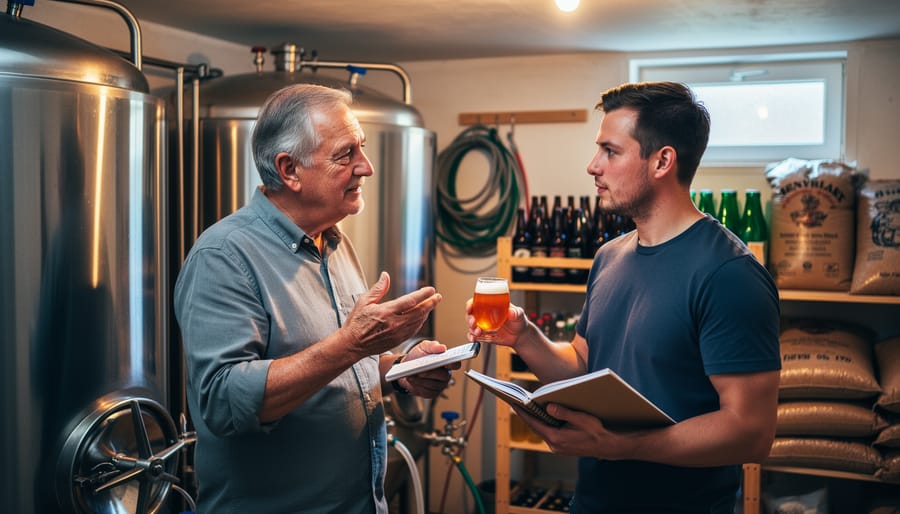
Sitting down with a brewer who’s logged thousands of hours at the kettle changes how you think about every step of the process. A recipe tells you what to do, but a brewers interview reveals why certain decisions matter and how to adapt when things go sideways.
These conversations strip away the polished perfection you find in brewing manuals. Instead, you hear about the batch that stalled at 1.030, the yeast that threw unexpected esters, or the grain bill that seemed perfect on paper but tasted thin in the glass. This honest dialogue about mistakes and recoveries builds your troubleshooting instincts faster than any textbook chapter on fermentation science.
The mentorship aspect runs deeper than simple knowledge transfer. When a brewer walks you through their decision-making process, you’re absorbing years of calibrated judgment. You learn not just that mash temperature affects body, but how to feel when your beer needs more dextrin content, or when to trust your palate over a recipe’s suggested hopping schedule.
Canadian brewers bring additional context that generic brewing content misses. They discuss navigating our temperature swings, sourcing ingredients across vast distances, and adapting techniques for our climate. This regional wisdom matters when you’re trying to maintain consistent fermentation temperatures through a Calgary winter or understanding why your Toronto water profile affects certain beer styles differently.
Beyond technical skills, these interviews connect you to a broader community. Hearing what experts wish they knew starting out validates your own learning curve and reminds you that every accomplished brewer once stood exactly where you are now, wondering if their first pale ale would turn out drinkable.
What to Look for in a Quality Brewers Interview
Not every brewers interview offers the same value. You’ll quickly learn to distinguish between conversations that deliver genuine insights and those that skim the surface with generalities any beginner could Google.
The best interviews dig into the “why” behind brewing decisions. When an interviewer asks, “How did you develop that recipe?” and gets a detailed breakdown of the reasoning, balancing malt sweetness against hop bitterness, adjusting water chemistry for a specific style, choosing yeast strains for particular ester profiles, you’re hearing from someone who understands their craft at a fundamental level. Compare that to vague responses about “experimenting until it tastes good,” which leaves you with nothing actionable.
Listen for specifics. Real expertise shows up in concrete details: actual temperatures, fermentation schedules, ingredient brands available in Canada, and precise measurements. When a brewer mentions they lowered their mash temperature from 66°C to 64°C to create a drier finish, that’s information you can test yourself. Generalities like “I adjust things depending on the beer” sound knowledgeable but won’t help you improve.
Watch for honest discussions of failure. Experienced brewers who openly share what went wrong, infections they traced back to a specific piece of equipment, off-flavors they identified through systematic tasting, give you troubleshooting frameworks you can apply. If an interview only highlights successes without acknowledging the learning curve, you’re probably missing the most valuable lessons.
The interview format matters too. Conversational exchanges where the interviewer pushes back, asks follow-up questions, or challenges assumptions tend to reveal more depth than scripted Q&A sessions. You want hosts who understand brewing well enough to ask informed questions and interviewees comfortable enough to explain their reasoning without defaulting to jargon.
Pay attention to whether the brewer adapts advice to different contexts. Someone who acknowledges that apartment brewing in Toronto requires different approaches than a dedicated basement setup in rural Ontario demonstrates practical thinking. One-size-fits-all advice rarely translates well to your specific situation.
Finally, quality interviews leave you with at least one thing you can try in your next brew session. Whether it’s a new technique, an ingredient substitution, or a different way to evaluate your beer, actionable takeaways separate genuinely useful content from entertainment that goes nowhere.
Common Topics Covered in Homebrewing Expert Interviews
Recipe Philosophy and Development
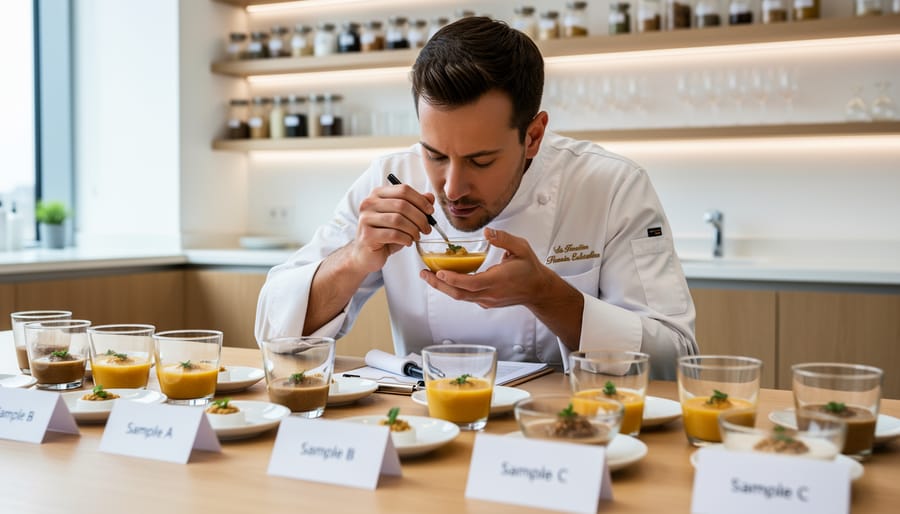
Expert brewers consistently emphasize that recipes serve as frameworks rather than rigid formulas. In brewers interviews, professionals often describe how they start with a flavour vision, maybe a crisp lager with subtle citrus notes or a robust porter with chocolate undertones, then select ingredients that build toward that goal. They don’t chase trends blindly; instead, they ask what works for their palate and equipment.
Canadian seasonal realities shape recipe development in practical ways. Summer interviews reveal brewers leaning toward lighter styles when local fruit becomes available, incorporating strawberries from Ontario or raspberries from British Columbia. Winter conversations highlight maltier, warming recipes that suit both the climate and available grain stocks. Experts adapt when supply chains shift, if their preferred hop variety runs short, they substitute based on alpha acid content and aroma profile rather than abandoning a recipe entirely.
Balance comes from iteration. Brewers stress in these conversations that first batches rarely nail the target. They adjust hopping rates, tweak mash temperatures by single degrees, or shift fermentation schedules based on taste results. This willingness to refine, documented through careful note-taking, separates competent homebrewers from truly skilled ones. The message is consistent: brew, taste, adjust, repeat.
Equipment Insights and Brewery Setup
Expert brewers consistently emphasize that your first equipment purchases should solve actual problems in your process, not address theoretical limitations. In brewers interviews, professionals reveal they often started with basic kettles and fermenters before identifying genuine bottlenecks through experience. A common thread: buy quality temperature control before expensive brewing vessels, since fermentation temperature affects beer quality more dramatically than minor differences in kettle design.
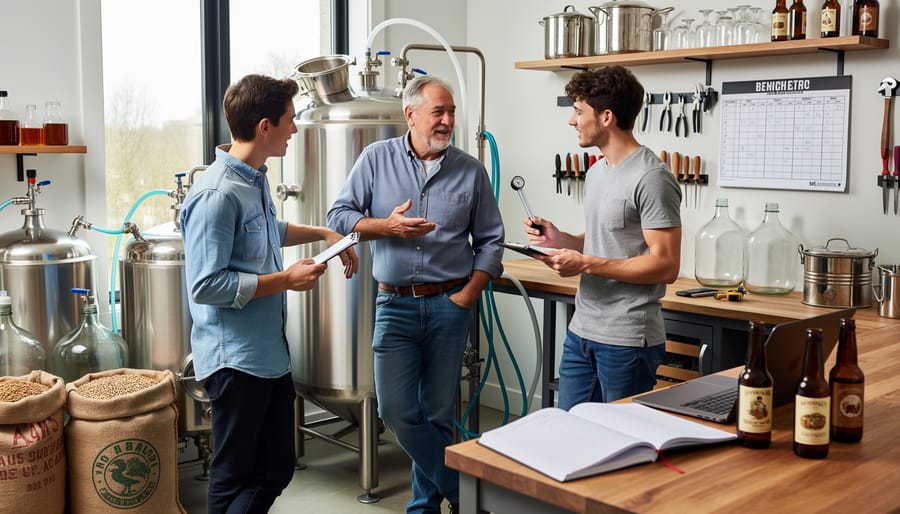
Space planning receives unexpected attention in these conversations. Experienced brewers stress workflow efficiency over square footage. They describe organizing brew spaces around the physical path ingredients and wort travel, minimizing lifting and carrying. One interview insight that surprises many homebrewers: vertical storage and wall-mounted solutions matter more in small apartments than purchasing compact equipment, which often sacrifices functionality.
When discussing scaling up, interviewed experts caution against jumping batch sizes too quickly. They recommend mastering your current system’s limitations, documenting every brew, and understanding your actual consumption patterns before investing in larger equipment. The recurring wisdom: equipment doesn’t make better beer, but thoughtful setup removes obstacles that prevent you from brewing consistently and learning systematically from each batch.
Troubleshooting and Problem-Solving
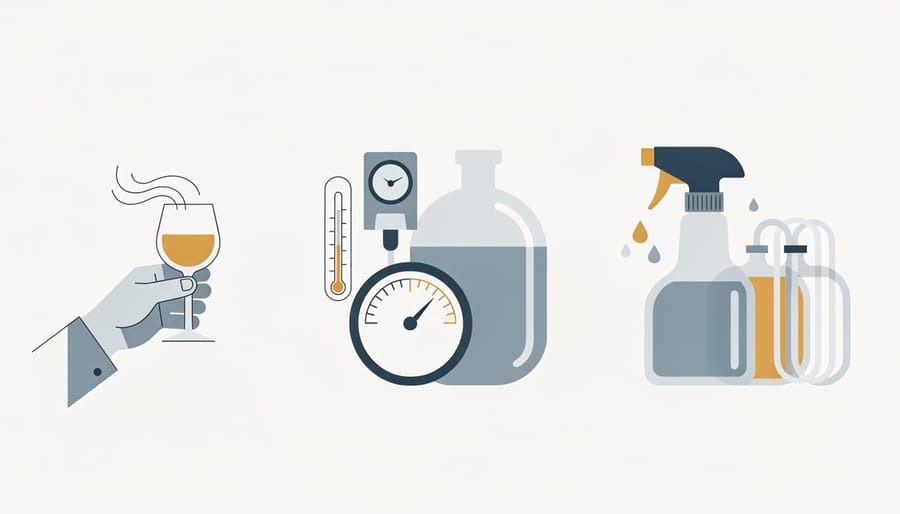
Expert brewers share their most instructive failures in interviews, and these stories resonate because they mirror struggles every homebrewer faces. You’ll hear about infected batches traced to a single overlooked gasket, stuck fermentations caused by temperature swings, and off-flavors that took months to diagnose. What makes these interviews valuable isn’t just identifying the problem, it’s hearing how experienced brewers systematically troubleshoot. They describe their thought process: ruling out variables, isolating causes, and documenting changes. One brewer might explain how they conquered persistent diacetyl by extending warm conditioning. Another details rescuing an over-hopped batch by blending. These real examples give you a framework for approaching your own brewing challenges rather than panicking when something goes wrong.
How to Apply Interview Insights to Your Own Brewing
Listening to a brewers interview is one thing; turning those insights into better beer is another. The gap between hearing expert advice and actually improving your brewing comes down to how you capture, process, and apply what you learn.
Start by taking notes during or immediately after each interview. Don’t try to write everything down. Focus on three categories: specific techniques you want to try, problems the brewer solved that you’re currently facing, and ingredient or equipment recommendations relevant to your setup. Date your notes and include the brewer’s name so you can reference them later when you’re ready to experiment.
- Identify one actionable insight from the interview that addresses a current challenge in your brewing.
- Research any unfamiliar terms or techniques mentioned, including starting tips from Canadian experts if you’re new to the concept.
- Plan a single-variable experiment in your next batch to test the insight, changing only that one element.
- Document your process and results in a brew log, noting what worked and what needs adjustment.
- Give yourself at least two batches to evaluate the change before deciding whether to adopt it permanently.
The key is resisting the urge to overhaul everything at once. When a brewer shares ten years of accumulated wisdom in a 45-minute conversation, it’s tempting to implement all of it immediately. That approach makes it impossible to know what’s actually making a difference.
Adapt advice to your specific context. If an expert raves about a particular hop variety, consider whether it’s available in Canada and fits your budget. When they discuss fermentation temperature control, think about your actual setup rather than their ideal brewery environment. The best interviews spark ideas you can modify for your circumstances, not rigid instructions you must follow exactly.
Finding and Engaging with Brewers Interview Content
Quality brewers interviews exist across multiple platforms, each offering distinct advantages for learning. YouTube channels and brewing podcasts provide the intimacy of hearing experts discuss their craft in real time, complete with vocal cues and enthusiasm that written formats can’t capture. Written interviews on brewing websites and forums allow you to pause, take detailed notes, and revisit specific sections without scrubbing through audio. Many Canadian homebrewing clubs maintain interview archives featuring local experts who address regional ingredient availability and climate considerations.
Start by identifying three to five regular sources that match your learning style. Podcast listeners might subscribe to shows featuring long-form brewer conversations, while visual learners thrive with video tours of brewing setups and demonstrations. Follow Canadian brewing personalities on social media platforms where they often share shorter interview clips and behind-the-scenes content between major releases.
Create a simple system for capturing valuable insights as you consume interview content. Keep a dedicated notebook or digital document where you record specific techniques, ingredient recommendations, or troubleshooting approaches that resonate with your current brewing challenges. When an expert mentions a particular method worth trying, note the timestamp or source so you can return to it before your next brew day.
The real value emerges when you actively engage rather than passively consume. Join discussion forums or comment sections where other homebrewers dissect interview content. Ask follow-up questions when experts participate in community spaces. Most importantly, turn interviews into action by testing one or two concepts from each conversation in your own brewing, tracking results, and building a personalized knowledge base that combines expert wisdom with your hands-on experience.
The conversations you have with experienced brewers, whether through podcasts, video interviews, or written Q&As, become catalysts for your own brewing evolution. Each brewers interview you engage with offers more than information; it provides perspective, validation for your struggles, and proof that every expert was once where you are now, wrestling with stuck fermentations and inconsistent results.
Make seeking out these conversations a regular part of your brewing practice. Dedicate time each week to listening to a brewing podcast during your commute or reading interview transcripts while your mash rests. Take notes, ask questions in the comments, and share what you learn with fellow homebrewers in your local community or online forums.
The Canadian homebrewing community thrives on this exchange of knowledge. When you apply an insight from a brewers interview and share your results, you contribute to the collective wisdom that makes our brewing culture stronger. You become part of the conversation, not just a consumer of it.
Start today. Find one brewers interview that addresses a challenge you’re currently facing. Listen actively, implement thoughtfully, and pass along what works. Your next breakthrough might be waiting in someone else’s story.