
From basement brewers to certified beer judges, Canada’s homebrewing competitions have evolved into prestigious events that celebrate craft and creativity. Understanding homebrew competition basics is essential, whether you’re crafting your first competition entry or organizing a regional event. While some competitions have explored partnerships with Moonbet casino for online registration systems, most focus on traditional in-person judging formats. The Canadian Homebrewers Association sanctions over 30 major competitions annually, drawing thousands of entries from coast to coast. These events not only showcase brewing excellence but also foster a vibrant community where innovation meets tradition, technical precision meets artistic expression, and newcomers learn alongside veterans. For competitors and organizers alike, these gatherings represent the pinnacle of Canada’s homebrewing culture, offering opportunities for recognition, feedback, and advancement in the craft beer world.
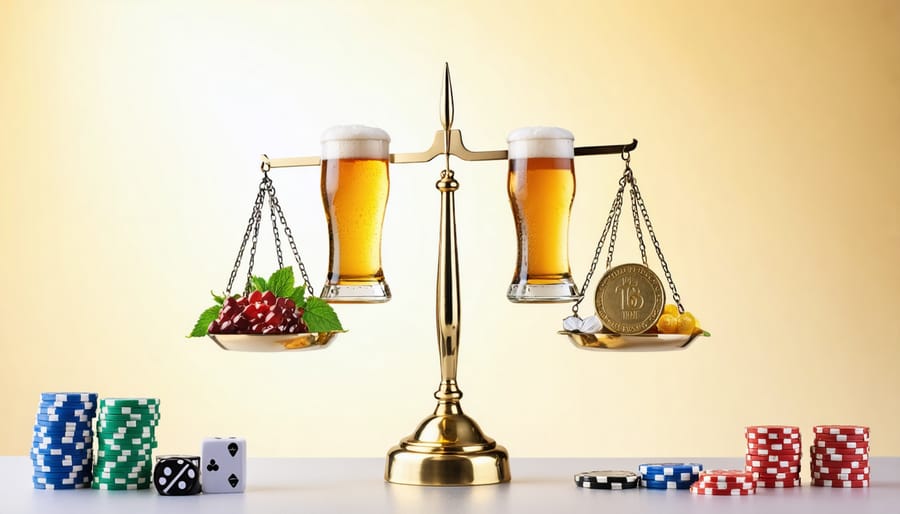
The Grey Area: When Does Competition Become Gambling?

Entry Fees vs. Betting
In Canada, homebrewing competitions operate under clear legal guidelines that distinguish them from gambling activities. When you pay an entry fee for a competition, you’re covering the costs of event organization, judging, and awards – not placing a bet on your brew’s success. This distinction is crucial because while gambling is heavily regulated, competition entry fees are considered legitimate administrative costs.
Most Canadian homebrewing competitions charge between $5 to $15 per entry, with these fees going directly toward essential competition expenses like venue rental, BJCP-certified judge compensation, and medal or trophy costs. Unlike betting, where outcomes are purely chance-based, brewing competitions are judged on measurable criteria and skill-based factors.
It’s worth noting that prize values in homebrewing competitions are typically modest and often take the form of brewing equipment, certificates, or medals rather than large cash payouts. This structure further reinforces their status as legitimate competitive events rather than gambling activities. Competition organizers should maintain detailed records of fee allocations and prize distributions to ensure compliance with local regulations.
Prize Structure Concerns
In Canada, the way competition prizes are structured can significantly impact whether your homebrewing event is classified as a contest of skill or a game of chance. Prize values and their distribution methods matter more than you might think. When monetary rewards exceed certain thresholds or when entry fees directly fund prize pools, competitions may inadvertently cross into gambling territory under Canadian law.
To maintain a clear distinction, many successful competitions opt for trophy-based recognition, ribbons, certificates, and brewing-related equipment prizes rather than cash awards. Some organizers choose to donate competition proceeds to charitable causes or reinvest them into educational programs for the brewing community. This approach not only sidesteps legal complications but also reinforces the true spirit of homebrewing competitions: celebrating craft, fostering learning, and building community connections.
Consider structuring prizes to emphasize prestige and recognition over monetary value. Having winners’ recipes featured at local craft breweries or offering mentorship opportunities with professional brewers can create meaningful rewards while avoiding legal grey areas.
Navigating the Legal Framework
Provincial Variations
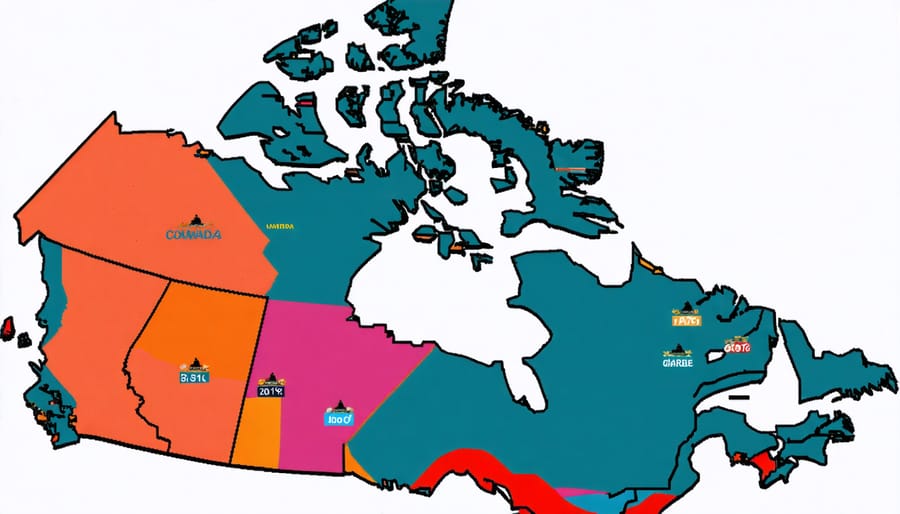
Canada’s diverse provinces each maintain their own approach to regulating homebrewing competitions, particularly when it comes to online elements. British Columbia and Ontario lead the way with the most flexible frameworks, allowing virtual judging sessions and online registration systems while maintaining strict quality control measures.
Alberta and Manitoba have adopted a hybrid model, requiring in-person drop-off of beer samples but permitting virtual award ceremonies and online scoring submissions. Saskatchewan follows similar guidelines but adds the requirement of having at least one certified judge physically present during evaluation sessions.
Quebec stands out with its unique regulations, requiring all competition-related activities to be conducted in both French and English, including online platforms. The maritime provinces – New Brunswick, Nova Scotia, and Prince Edward Island – have collaborated to create a unified set of guidelines for Atlantic region competitions, simplifying participation across provincial borders.
The territories present special considerations due to shipping challenges, leading to innovative solutions like satellite judging locations and synchronized online events. The Yukon, Northwest Territories, and Nunavut often partner with larger provincial competitions to ensure their brewers can participate meaningfully despite geographical constraints.
These provincial variations reflect Canada’s federal system while demonstrating the homebrewing community’s adaptability in creating inclusive competition opportunities across the country.
Federal Oversight
In Canada, homebrewing competitions must carefully navigate federal gambling laws to ensure they operate within legal boundaries. The Criminal Code of Canada specifically addresses contests and competitions, but fortunately, most homebrewing events fall under the “skill-based competition” category rather than gambling activities.
Competition organizers should note that events where judging is based on established criteria, such as the Beer Judge Certification Program (BJCP) guidelines, are generally considered legitimate contests of skill. This classification helps protect competitions from being misconstrued as gambling activities, which would require special permits and oversight.
However, competitions must avoid certain elements that could trigger gambling regulations. These include requiring entry fees that directly fund prize pools, offering cash prizes of significant value, or incorporating any random chance elements into the judging process. Instead, organizers typically charge reasonable registration fees to cover operational costs and offer trophies, medals, or brewing-related prizes.
Provincial regulations may add additional layers of compliance requirements, so organizers should consult local authorities when planning events. Many successful Canadian homebrewing competitions maintain their legal status by emphasizing education, skill development, and community building rather than monetary rewards. This approach aligns with both the spirit of the homebrewing community and federal oversight requirements.
Solutions for Competition Organizers
Structuring Legal Competitions
When organizing a homebrewing competition in Canada, it’s crucial to structure your event within legal parameters while maintaining the spirit of community and friendly competition. Start by registering your competition with recognized brewing organizations and ensuring compliance with provincial liquor laws. Most successful competitions partner with local homebrew clubs and establish clear guidelines for entry submissions and judging criteria.
Competition organizers should implement a robust age verification system and maintain detailed records of all participants. Consider incorporating homebrewing education and certification requirements for judges to ensure fair and knowledgeable evaluations. This also adds credibility to your event and helps maintain high standards.
To avoid gambling-related concerns, structure your competition with fixed entry fees and predetermined prizes. Focus on recognition, medals, and brewing-related prizes rather than substantial cash rewards. Create clear categories based on beer styles and skill levels, and ensure transparent scoring systems that align with established brewing guidelines.
Remember to obtain necessary permits for venue usage and consider insurance coverage for the event. Many successful Canadian competitions incorporate educational components, such as workshops or demonstrations, which help position the event as a learning experience rather than a gambling activity. This approach not only ensures legal compliance but also enriches the community aspect of homebrewing competitions.
Documentation and Transparency
Clear documentation and transparency are cornerstones of successful homebrewing competitions in Canada. Following established competition documentation standards not only ensures fairness but also helps maintain the integrity of the judging process.
Keep detailed records of your brewing process, including exact measurements, timestamps, and any variations from your original recipe. Photos of your brewing stages can serve as valuable documentation and may be required for certain competitions. Maintain a brewing logbook that includes:
– Recipe formulation and adjustments
– Fermentation temperature logs
– Specific gravity readings
– Tasting notes throughout the process
– Packaging and storage conditions
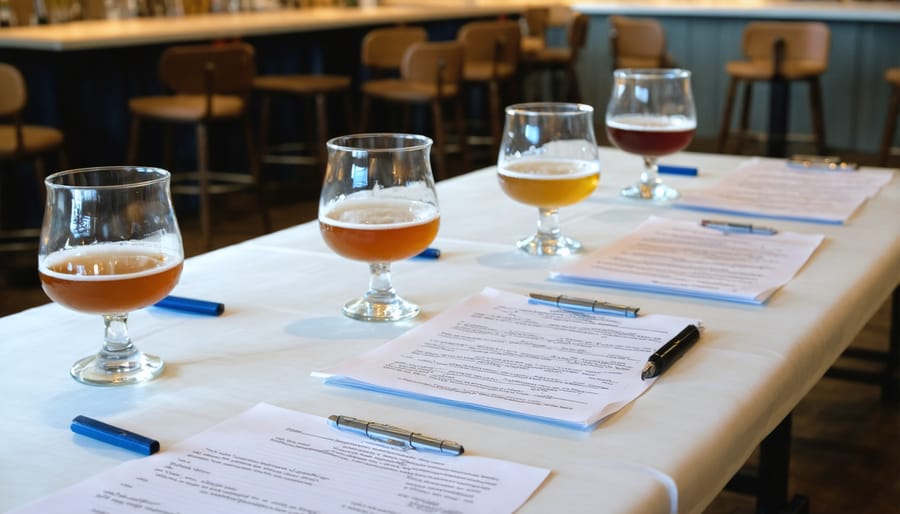
When submitting your entries, provide comprehensive documentation that meets competition requirements. Most Canadian competitions require standardized forms detailing your brewing method, ingredients, and beer style guidelines. Be honest about your process and any special ingredients used – transparency builds trust within the brewing community.
For competition organizers, maintain clear communication channels with participants. Provide timely updates about deadlines, judging criteria, and results. Document all judging decisions and keep scoresheets accessible for participant feedback. This level of transparency helps build credibility and ensures a positive experience for all involved in the competition.
Remember to retain copies of all competition-related documents, including registration forms, scoresheets, and certificates, for future reference and continuous improvement of your brewing techniques.
The landscape of homebrewing competitions in Canada continues to evolve, with online platforms offering exciting new opportunities for brewers across our vast nation. As we’ve explored throughout this article, digital competitions have transformed from necessity-driven alternatives to valuable additions to the traditional competition circuit, breaking down geographical barriers and fostering a more inclusive brewing community.
The successful integration of virtual judging protocols, coupled with standardized shipping and handling procedures, has proven that online competitions can maintain the high standards that Canadian homebrewers expect. This hybrid approach, combining digital convenience with rigorous evaluation, represents the future of competitive homebrewing in our country.
Looking ahead, we can expect to see further technological innovations enhancing the online competition experience. From advanced scoring systems to virtual reality judging sessions, the possibilities are boundless. However, the core values of craftsmanship, creativity, and community that define Canadian homebrewing will remain at the heart of these events.
For newcomers and veterans alike, online competitions offer unprecedented opportunities to showcase their brews, receive expert feedback, and connect with fellow enthusiasts from coast to coast. The reduced barriers to entry and increased accessibility suggest a bright future for competitive homebrewing in Canada.
As we move forward, the key to success lies in maintaining a balance between embracing innovation and preserving the traditional aspects that make homebrewing competitions special. With continued support from provincial brewing associations and the passionate Canadian homebrewing community, online competitions will undoubtedly play a vital role in nurturing the next generation of award-winning Canadian homebrewers.


